I still remember the panic in my neighbor’s voice when she called me after discovering water pooling in her basement. She had no idea where to start, what to prioritize, or who to trust. That conversation inspired me to create property restoration for homeowners: a step-by-step guide — because nobody should feel lost when disaster strikes their home.
Whether you’re dealing with water damage from a burst pipe, smoke damage from a fire, or destruction from a storm, knowing how to navigate property restoration can mean the difference between a quick recovery and months of headache. Let me walk you through this process in a way that actually makes sense.
Step 1: Ensure Safety First
Before you do anything else, your safety is paramount. If there’s structural damage, standing water, or signs of electrical hazards, stay out and call professionals immediately. I’ve seen too many homeowners try to salvage belongings before the property is declared safe.
Document everything with photos and videos — this helps with insurance claims later. Then, reach out to a certified restoration company. We respond 24/7 because emergencies don’t follow business hours.
Step 2: Contact Your Insurance Company and a Professional Restoration Team

Report the Damage Quickly
Time matters here. Call your insurance agent as soon as it’s safe to do so. Most policies have timeframes for reporting damage. Have your policy number ready and be prepared to describe what happened.
Partner with Certified Professionals

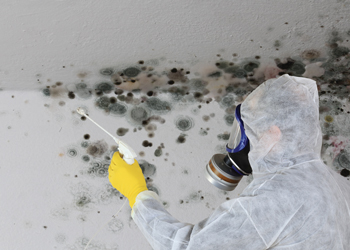
This is where property restoration for homeowners gets real. You need experts who understand the science behind restoration — whether it’s water extraction, mold remediation, or fire damage repair. When I work with homeowners, I recommend getting multiple quotes and asking about certifications, experience, and response times.
Connect with us on Facebook or Instagram to see real restoration projects we’ve completed.
Step 3: Understanding the Restoration Process
Water Damage: The Clock is Ticking
If you have water damage, mold can begin growing within 24-48 hours. A proper restoration includes:
- Water extraction and removal
- Structural drying using industrial equipment
- Moisture mapping to ensure complete drying
- Mold assessment and remediation if needed
- Content restoration and deodorization
Fire Damage: More Than Just Smoke
Fire damage restoration isn’t just about cleaning soot. It involves:
- Assessment of structural integrity
- Comprehensive smoke and soot removal
- Odor elimination (this requires specialized techniques)
- Content cleaning and restoration
- Rebuild and reconstruction planning
Storm Damage: Immediate Action Required
Storm damage often involves multiple types of harm — roof leaks, broken windows, structural damage. Document everything and prioritize preventing further damage (tarping, boarding up) before full restoration begins.
Step 4: The Restoration and Rebuild Phase
Once assessment is complete, your restoration team will create a detailed plan. This might include drying, cleaning, repairs, and full reconstruction depending on severity. Property restoration for homeowners requires transparency — you should understand every step and receive regular updates.
During this phase, your restoration company should work directly with your insurance adjuster to streamline the process. We coordinate everything so you can focus on what matters: getting your life back to normal.
Step 5: Final Inspection and Prevention
Before you celebrate recovery, request a final inspection. Ask about prevention strategies for the future — whether that’s installing a sump pump after water damage or improving drainage after storm damage.
The restoration journey is never fun, but it doesn’t have to be overwhelming. With the right team and knowledge, you’ll be amazed at how quickly your home can be restored.